Flashing Failing? Stop Leaks at the Joints.
Flashing is the thin seal that protects the most leak-prone parts of your roof — around chimneys, valleys, and where the roof meets a wall. When it cracks or lifts, water gets straight in. Tell us where the problem is and where your property is so we can help.
Part of Roof Repairs & Emergencies
Find Roof Flashing Repairs Help Near You
Find Roofing Help Near You
Tell us what you need and where you are. We'll help you take the next step.
Roofing Help Across the UK
From cities to rural towns — wherever your property is.
Residential & Commercial
Homes, rentals, businesses and commercial premises.
Simple, No-Obligation Enquiries
Tell us what you need with no pressure or commitment.
Roof Flashing Repairs at Vulnerable Joints
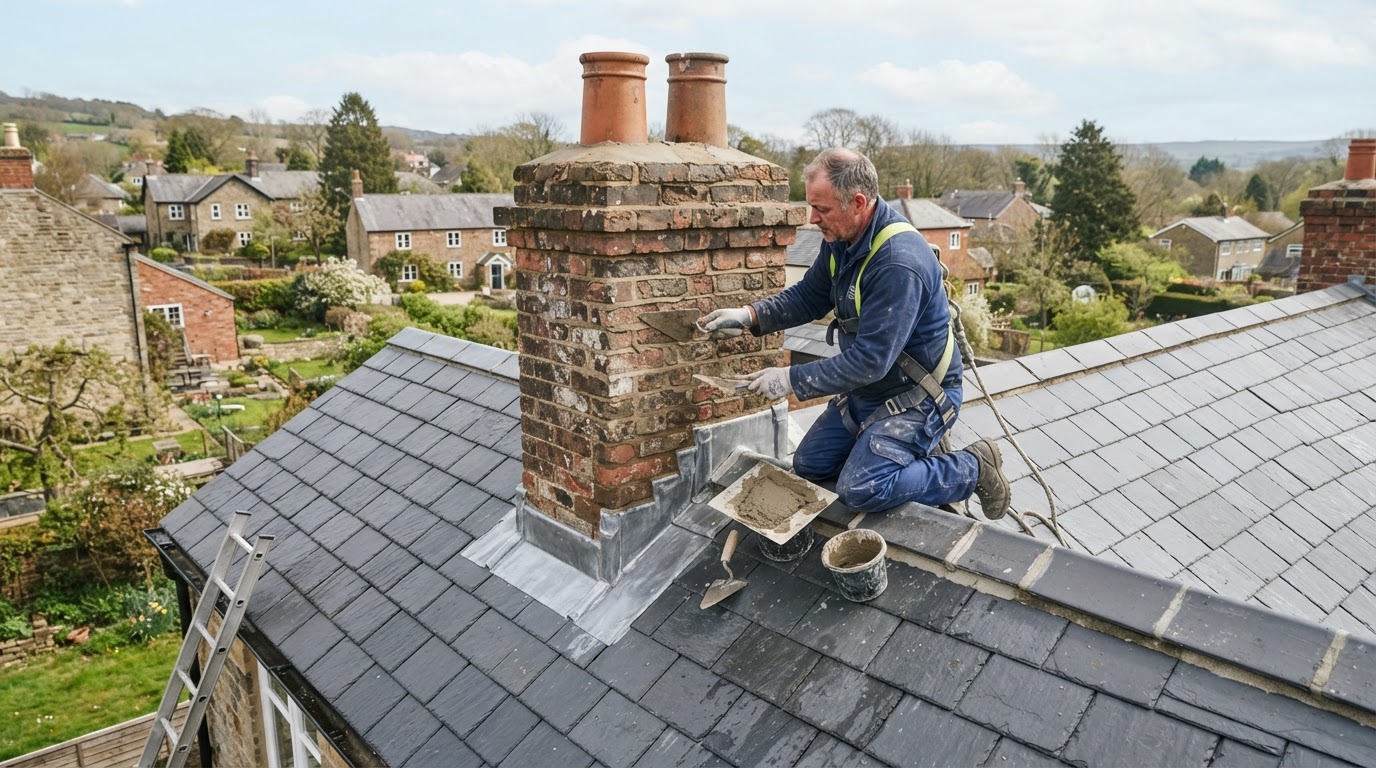
Flashing is the unsung hero of a weather-tight roof. Wherever the roof covering is interrupted — at a chimney, in a valley, against a wall, around a pipe — flashing forms the seal that keeps water out of the join. It's usually lead, sometimes other metals or modern membranes, and it fails over time.
Flashing cracks as it ages, lifts in high winds, and pulls away from mortar as it weathers. Once the seal breaks, water runs down the flashing and straight into the roof. Repairing or renewing the flashing restores the seal at the points where roofs most often leak.
Common Flashing Problems
Cracked, split or lifted lead flashing
Flashing pulled away from chimney mortar or brickwork
Damp patches on walls or ceilings near a chimney
Water running down a valley during heavy rain
Stains where the roof meets an adjoining wall
Mortar crumbling where flashing is bedded in
What's Involved in Flashing Repair?
1. Locate the Leaking Joint
Tell us where you're seeing damp or where the flashing looks damaged, and where your property is.
2. Inspect the Flashing
The flashing is checked at the chimney, valley or wall joint to find where the seal has failed.
3. Repair or Renew
Cracked flashing is repaired or renewed — lead dressed back into place or a new section cut and fixed securely.
4. Reseal the Joint
The join between flashing, mortar and tiles is sealed so water runs off rather than in.
Why Repair Flashing Promptly?
Stop Leaks at the Source
Most roof leaks start at a failed flashing. Repairing it stops water getting in at the most vulnerable joints.
Protect Chimneys and Walls
Flashing keeps water out of chimney stacks and the tops of walls where it can cause serious damage.
A Targeted, Cost-Effective Fix
Renewing a section of flashing is far cheaper than repairing the water damage a leaky joint can cause.
Keep Valleys Clear
Sound valley flashing carries water down the roof instead of letting it pool and seep through.
Got a Leaky Chimney or Valley?
Tell us where the flashing is failing and where your property is. A properly renewed seal can stop a leak at its source.
Your Roofing Questions Answered
You May Also Need These Roofing Services
Roofing projects often overlap. Here are some related services you might also need.
Chimney Flashing
Chimney flashing repair and renewal to seal the join between your chimney and the roof against leaks.
View Service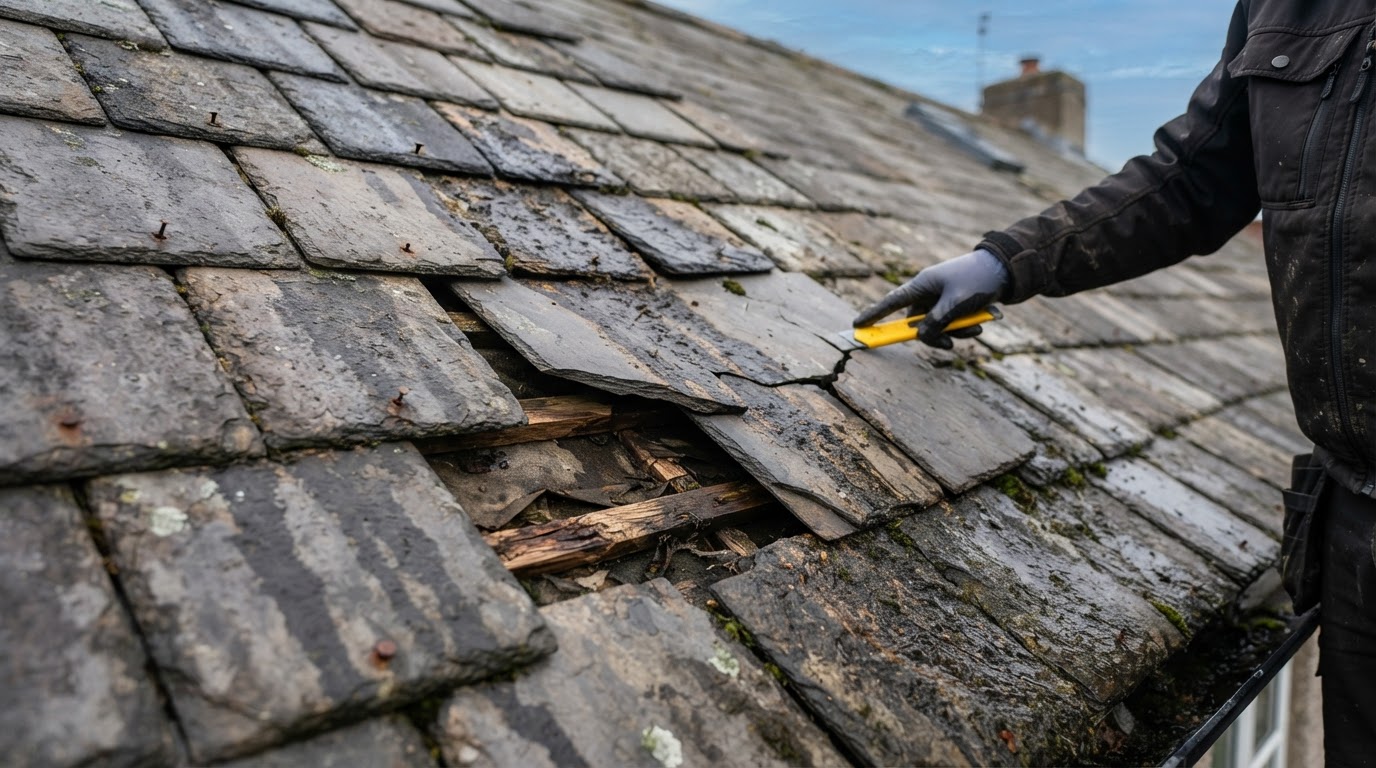
Roof Valley Repairs
Repair leaking or blocked roof valleys where two roof slopes meet — a common source of hidden leaks.
View ServiceLeadwork & Lead Flashing
Leadwork and lead flashing — valleys, aprons, soakers and step flashing formed in quality lead.
View Service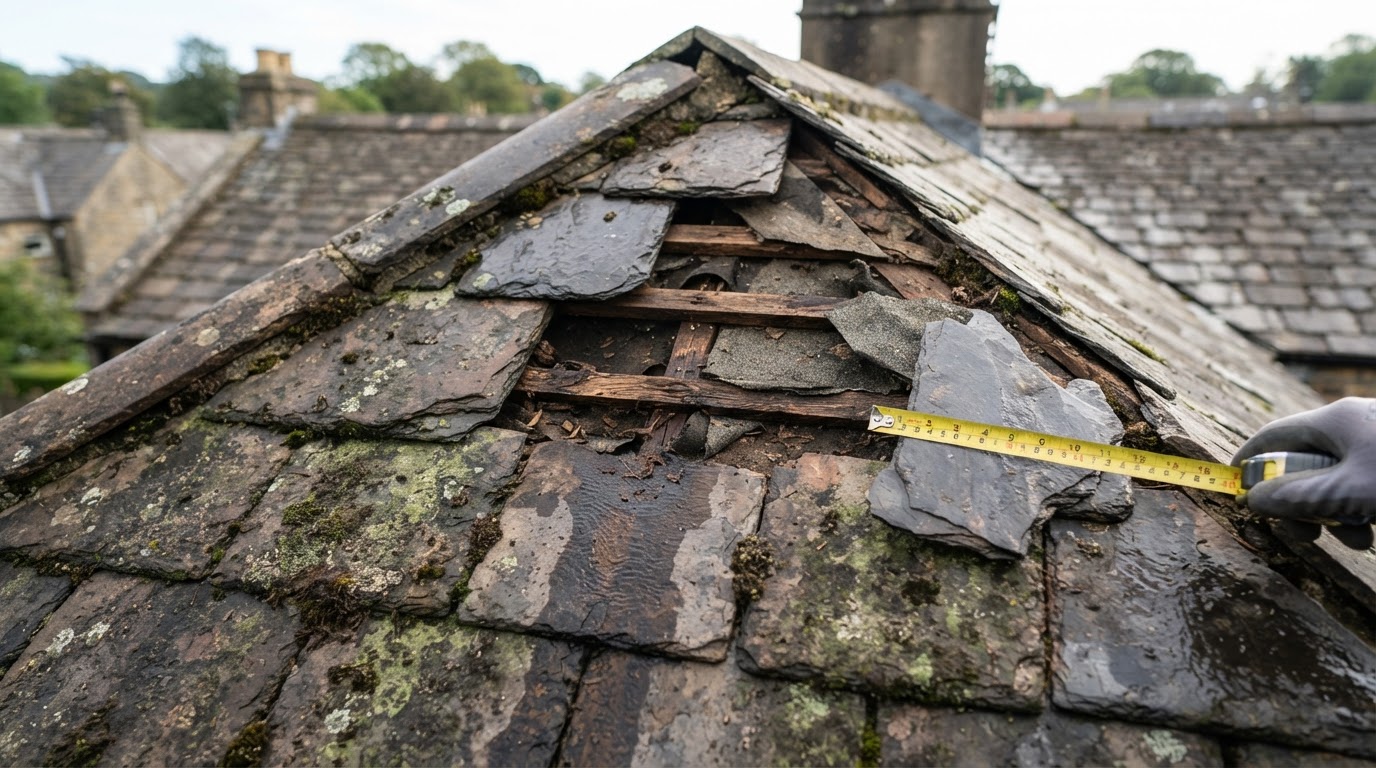
Roof Leak Repair
Track down the source of a roof leak and get it properly sealed to stop water damaging your ceilings and timbers.
View ServiceLooking for Roof Flashing Repair Near You?
Tell us your town, city or postcode and what roofing work you need help with. You don't need to know the technical terms — describe it in your own words and we'll help you take the next step.
Get Local Roofing Help
Your service is already selected — just add your location.
Ready to Get Your Flashing Fixed?
Don't let a failed seal cause a leak. Tell us where the flashing is failing and where your property is and take the next step.
Need help with
roof flashing repair